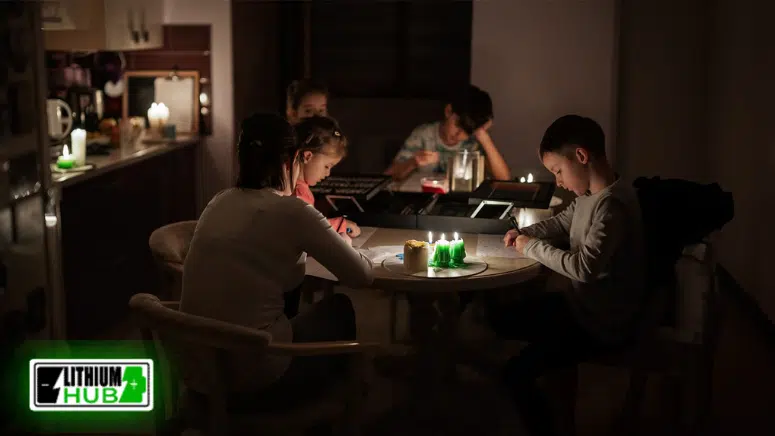
When the power goes out, it is not just the lights. Suddenly, you’re thinking about the fridge, any medications that need to stay cold, and whether your food is still safe. If it is blazing hot or freezing outside, you are also trying to keep the house comfortable enough, especially if you have kids or anyone sensitive to temperature. And as your phone and battery packs start dying, even basic stuff like weather updates, outage alerts, and what’s going on in your area gets harder to track.
When all of those questions hit at once, having a simple game plan helps. In this post, we’ll walk through it in the same order most outages unfold: what to do in the first hour, how to protect food and water, how to stay warm or cool, and how to keep communication going. We’ll also cover a few practical backup power options that can keep the essentials running if the outage lasts longer than expected.
First Hour Game Plan: What to Do After the Power Goes Out
That first hour matters. A few calm, smart moves right away can prevent avoidable problems, keep everyone on the same page, and help you figure out whether this is a quick blip or something longer. Here are a few things to consider right away:
- Switch to safe lighting. Use flashlights, headlamps, or battery lights instead of candles whenever you can.
- Confirm what’s actually out. Look outside for streetlights and check a couple of neighbors’ windows so you’re not guessing.
- Check your breaker panel. Look for a tripped breaker and reset it if needed. If it immediately trips again, leave it off and don’t keep flipping it back on.
- Unplug or power down sensitive electronics. TVs, desktop computers, gaming systems, and anything expensive or delicate. Power can surge when it comes back.
- Turn off high-draw appliances. If the stove, oven, washer, or power tools were on when the outage hit, switch them fully off so they don’t restart when power returns.
- Leave the fridge and freezer closed. Every peek in dumps cold air out. If you keep the doors shut, refrigerated food stays safe longer, and a full freezer can hold its temperature for much longer.
- Check your utility’s outage map or alerts. If you can, look up your local outage map to see whether it’s widespread and if there’s an estimated restore time.
- Shift into conservation mode if needed. If there’s no clear restore time, preserve batteries, limit door opening, and only use what you need.
Once you’ve handled these basics, you’re in a good spot to make smarter decisions for the next few hours. From here, the goal is to stay safe, stay comfortable, and avoid wasting resources you might need later.

Life Without Electricity: Short-Term Outage vs. Long-Term
Living without electricity feels very different depending on how long it lasts. A short outage is mostly about not overreacting and avoiding silly mistakes. A longer outage starts changing how you run your day.
A simple breakdown:
- Short outages (about 1 to 8 hours): You’re mostly waiting it out. Focus on safe lighting, keeping cold food cold, and protecting electronics from surges when power returns.
- Multi-day outages (about 1 to 7 days): You’re managing the basics. Keeping everyone warm or cool, stretching battery life, getting reliable updates, and making food and water last become the main jobs.
- Extended outages (weeks) or true long-term loss: At that point, you’re not just “getting through it.” You’re building a new routine around cooking, hygiene, water, and staying comfortable day after day.
Long outages often come from bigger problems like major storms and high winds, ice, extreme heat that strains the grid, wildfire-related shutoffs, or aging equipment failing under stress.
And once the outage stretches beyond a few hours, daily life changes in ways people don’t always expect. Heating and cooling stop. A gas stove might still work, but the ignition might not. Water pressure can drop if pumps lose power. Internet and Wi-Fi routers go dark. The house gets quiet, nights feel longer, and the little things you normally rely on start adding up.
Protecting Yourself From Heat and Cold Without Power
When you lose power, temperature is usually the first thing you feel. In winter, the house can cool down fast, especially if your heating system depends on electricity (which most do). In summer, indoor temps can climb quickly, and upstairs rooms can turn into ovens. If you’ve got kids, older family members, or anyone with health concerns, this is one area you want to plan for, not figure out as you go.
Staying Warm
When your heat cuts out, the goal is to trap warmth and shrink the space you’re trying to heat. Close off unused rooms and hang blankets over doorways to keep heat in one main area.
- Layer up. Start with a warm base layer, then add wool or fleece, plus a hat and warm socks. Hands and feet matter more than people think.
- Use sleeping bags indoors. If you’ve got one rated for colder temps, it can keep you comfortable even as the house gets colder.
- Use hot water for targeted warmth. Heat water on a gas stove or camp stove (used safely and with ventilation), fill a hot water bottle, then tuck it into your bedding before you get in.
- Only use indoor-rated heaters. Indoor-rated propane or kerosene heaters can help, but you’ve got to follow the safety rules and keep airflow moving. Carbon monoxide is a real risk.
- Fireplaces and wood stoves can help. A wood stove is usually far more effective than an open fireplace.
- A tent indoors can work. It sounds strange, but a small enclosed space holds body heat well, especially overnight.
Staying Cool
Heat brings a different kind of risk. Without AC, your home can get hotter than the outdoor temperature, especially upstairs and in rooms that get direct sun. Here are some tips worth thinking about:
- Move to the coolest part of the house. Basements and shaded, ground-floor rooms usually win.
- Create cross ventilation. Open windows on opposite sides of the house when outdoor temperatures allow.
- Use battery-powered or USB fans. Air movement helps a lot, and small fans stretch power better than big ones.
- Cool your body fast. A damp cloth on your neck, wrists, or forehead helps. A cool shower can too, if the water pressure is still working.
- Avoid peak heat hours. Save anything physical for early morning or later evening if you can.
Watch for warning signs. Confusion, dizziness, and extreme shivering (or shivering that suddenly stops) are red flags. If anyone shows symptoms of heat illness or hypothermia, it’s time to get help or head to a warming or cooling center.
Water, Sanitation, and Hygiene Without Electricity
Water is one of the first surprises in a longer outage. A lot of systems that feel “automatic” depend on electricity behind the scenes. If you’re on a private well, water can stop the moment the pump loses power. In some areas, city water pressure can also drop during longer outages if pumping stations and treatment systems can’t keep up.
What to Expect From Your Water Supply
- If you’re on a private well, assume you’ll lose running water quickly.
- If you’re on city water, you might be fine at first, but don’t count on it. Pressure can drop if the outage drags on.
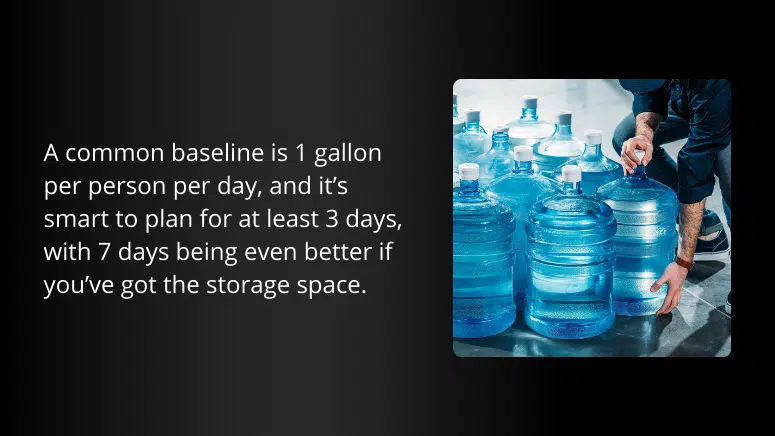
How Much Water to Store
Easy Ways to Store Water
- 5-gallon water containers or jerry cans (label them and keep them clean)
- Bottled water cases (rotate them occasionally so you’re not stuck with old stock)
- Fill your bathtub before a major storm if you have warning time (tub liners can make this cleaner and more practical)
How to Make Water Safe to Drink
If you’re pulling water from a questionable source, you’ve got a few options:
- Gravity filters are great for larger amounts because they don’t need power.
- Pump filters (camping style) work well when you only need a few liters at a time.
- Boiling is simple if you can heat water safely.
- Unscented household bleach can be used to disinfect water in a pinch. Follow the instructions on the label if available. If not, stick with widely used emergency guidance and never guess on amounts. You don’t want to risk it if you’re not sure!
Toilets and Waste When Water Stops
If toilets won’t flush, sanitation becomes a bigger deal fast. You don’t need a fancy setup, but you do need a plan.
- Make a simple bucket toilet. A 5-gallon bucket lined with a heavy-duty trash bag works.
- Add absorbent material. Kitty litter, sawdust, or shredded paper helps a lot with odor and moisture.
- Double-bag and seal waste. Store it outside, out of the sun if possible, and away from where people and pets hang out.
- Prioritize hand hygiene. Soap and clean water is best. If water is limited, hand sanitizer and wipes help, but they’re not a perfect replacement for washing hands.
Staying Clean Without Hot Water
- Keep basics on hand: soap, hand sanitizer, wet wipes, paper towels, trash bags
- A solar shower can help if it’s warm out and you’ve got sunlight. Even a quick rinse makes a difference when you’re trying to stay comfortable and avoid skin issues.
Food Safety, Cooking, and Refrigeration in a Blackout
In a blackout, your fridge and freezer become a countdown. The good news is you don’t need to guess if you follow a few basic rules and keep the doors shut.
How Long Food Usually Stays Safe
As a general rule of thumb:
- Fridge: about 4 hours if you keep the door closed
- Freezer: about 48 hours if it’s full, closer to 24 hours if it’s half full
These are rough estimates and can vary based on how cold it was, how often the door gets opened, and the room temperature. Every time you open the door, that clock speeds up.
What to Do Right Away
- Keep the fridge and freezer closed. This is the biggest win.
- Use appliance thermometers if you have them. They take the guessing out of it.
- Group frozen items together. A solid frozen mass holds temp longer.
If the Outage Looks Like It’ll Last
- Move high-priority items to a cooler with ice if you need to.
- Use dry ice only if you understand how to handle it safely (ventilation matters, and it can damage surfaces).
Alternative Cooking Methods
If your stove is electric, plan to cook outside when you can.
- A camp stove or grill outdoors covers most cooking needs. Keep extra fuel.
- Gas stove: Some can be lit manually if the electric igniter doesn’t work (only do this if you’re comfortable doing it safely).
- Wood fires and rocket stoves work outdoors if you’ve got dry fuel and a safe spot to use them.
Big rule: don’t bring outdoor cooking indoors. Grills, charcoal, and fuel-burning equipment in enclosed spaces can create carbon monoxide, and that’s one of the fastest ways for an outage to turn dangerous.
Smart Food Choices to Keep on Hand
Focus on food that doesn’t need refrigeration and doesn’t require much cooking:
- Canned soups, beans, tuna, chicken
- Peanut butter, nuts, trail mix
- Granola bars, crackers, dried fruit
- Shelf-stable milk and oatmeal (if you can boil water)
When to Throw Food Out
If perishable foods have been warm for too long, they’re not worth the risk. Meat, dairy, eggs, cooked leftovers, and anything that smells off should be treated cautiously. When you’re unsure, toss it. Better safe than sorry!
Lighting, Communication, and Staying Informed
When the power goes out, light and information become the two things you miss immediately. The goal isn’t to recreate normal life. It’s to stay safe at night, keep devices alive, and get reliable updates without draining your batteries.
Lighting Options That Actually Work
LEDs are your best friend here. They’re bright, efficient, and way safer than open flames. Here are some other tips:
- Have one flashlight or headlamp per person. Headlamps are especially useful because your hands stay free.
- Use lanterns for rooms. A rechargeable LED lantern can light a whole space without everyone chasing flashlights.
- Stick up puck lights in key spots. Hallways, bathrooms, kids’ rooms, and near the breaker panel.
- Keep spare batteries where you can find them. Put them in the same drawer as your flashlights, not buried in a closet.
- Avoid candles when you can. If you do use them, keep them in sturdy holders and away from curtains, kids, and pets.
Staying Connected Without Killing Your Phone
Your phone is still useful in an outage, but it can drain fast if it’s constantly searching for a signal or you’re refreshing updates nonstop. Here are a few quick ways to make your battery last longer:
- Use airplane mode when you’re not actively using your phone. Turn it off when you need to check updates, then go back to airplane mode.
- Dim your screen. Screen brightness is one of the biggest battery drains.
- Close apps you don’t need. Especially anything that runs in the background.
- Text instead of calling when networks are overloaded. Texts often go through when calls don’t.
- Keep a power bank charged. Treat it like emergency fuel for your phone.
How to Get Updates When Wi-Fi Is Down
If the internet is out, don’t assume you’re cut off. A simple radio can keep you in the loop. Here are a few easy ways to stay informed:
- Keep a battery-powered or hand-cranked radio. Bonus points if it includes weather alerts.
- Pick a check in rhythm. Don’t refresh the news all day. Check updates, make a plan, then conserve power.
- Have a basic plan for family who don’t live with you. A quick check in time once or twice a day keeps things simple.
- Walkie-talkies can help locally. They’re useful for neighbors or family nearby, especially if cell service gets spotty.
Medical Devices and Medication
If anyone uses a CPAP, oxygen equipment, a powered wheelchair, or anything else that plugs in, don’t wait until an outage to figure out your options. A few quick things to think through now (so you’re not scrambling later):
- Make a short “must run” list. What has to stay powered first if backup power is limited.
- Know your device runtime. If it has a battery, find out how long it actually lasts.
- Look into your utility’s medical priority list if it exists. Some providers allow registration for medically dependent households.
- Ask your pharmacist about medication storage. Some meds tolerate room temperature for a while, others don’t. Don’t guess.
- Keep prescriptions filled ahead of time when you can. Even a small cushion helps.
The goal is simple: keep the truly critical stuff covered first, then work outward from there.
General Safety Moves
Outages create a lot of “small” risks that add up fast, especially in the dark. Here are a few basics worth checking:
- Carbon monoxide detectors and smoke alarms should work without power. Battery backup matters.
- Keep a basic first aid kit easy to grab. Not buried in a bin you’ll never find in the dark.
- Know how to open your garage door manually. Practice it once, so it’s not a surprise.
You don’t need to overthink it. Knock out the obvious risks before they turn into a bigger issue.
Planning for Vulnerable Family Members and Pets
A blackout hits differently depending on who’s in your home. Here are a few simple considerations that make things smoother:
- Infants: If you use formula, consider keeping ready-to-feed options on hand. It’s one less problem to solve.
- Older adults: Keep extra blankets accessible and make sure meds are easy to reach.
- Pets: Set aside stored water and food that doesn’t depend on refrigeration.
- Neighbors: If you’ve got an elderly neighbor nearby, a quick check-in can matter more than people realize.
A little planning here goes a long way, because it’s usually the “special needs” stuff that’s hardest to improvise on the spot.
Using Generators and Alternative Power Safely
Generators are incredibly useful in longer outages. They’re also one of the biggest safety risks if they’re used the wrong way. Let’s talk about it.
Fuel Generator Safety Rules
Fuel generators create carbon monoxide. That’s the danger. More on that:
- Run generators outdoors only. Never in a garage, basement, or enclosed porch, even with doors open.
- Keep them well away from windows, doors, and vents. Give it real distance and point exhaust away from the house.
- Use outdoor-rated extension cords and don’t overload the unit.
- Power the essentials first. Fridge, a few lights, medical devices, and phone charging.
- Never backfeed into your home’s wiring unless you’ve got a proper transfer switch. If you don’t know what that means, skip it and use extension cords.
Also, refuel only when the generator is off and cooled down. And remember, fuel can be hard to get during outages since many gas stations can’t pump without power. Did you enjoy this post? You’ll probably like this one too: Generator Alternatives: Better Ways to Power Your Home, RV, or Campsite.
Battery-Based Alternatives
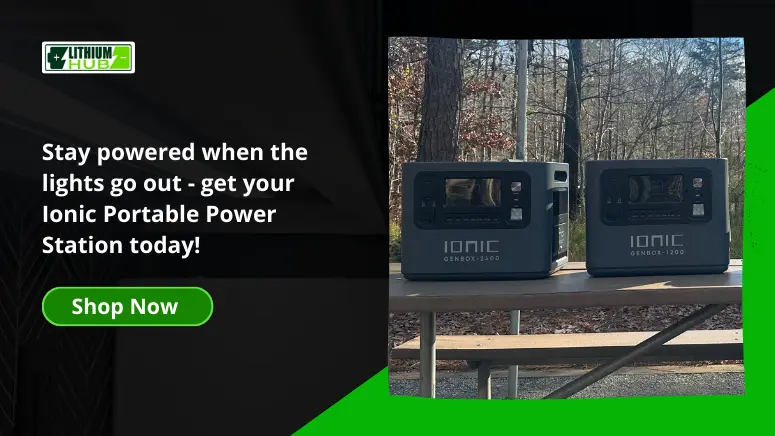
Portable power stations are a solid backup option if you want something simple without fuel, fumes, noise, or carbon monoxide risk. They are safe to run indoors, and they work really well for the essentials most people care about first.
- Safe indoors and quiet
- Great for lights, phones, laptops, and small fans
- Useful for CPAP and similar medical needs
- Larger units can run a fridge for a stretch, especially if you keep the door shut
- Can be recharged from wall power or your vehicle
If your power station is compatible with solar panels, you can top it off during the day and stretch your backup power much longer, which is a big deal if the outage drags on.
Everyday Life Skills for Longer Periods Without Electricity
Multi-day outages or intentional off-grid living require building habits and skills that reduce your dependence on constant electric power. The more you practice these routines before an emergency, the more natural they’ll feel when the grid fails.
One of the biggest shifts is learning to live by daylight. You wake a little earlier. You knock out chores that need good light around midday. And once it gets dark, you wind things down instead of trying to force your normal routine with a bunch of batteries and flashlights.
Here are a few everyday life skills worth practicing:
- Practice cooking on a camp stove or grill regularly. You’ll learn fuel consumption, timing, and what meals are actually easy to pull off.
- Keep a manual can opener in working condition. Test it on real cans so you’re not fighting it during an outage.
- Hand-wash clothes in a tub or bucket. A plunger-style wash wand works surprisingly well. Wring by hand and dry on clotheslines.
- Get comfortable with no-cook meals. Nuts, dried fruit, canned goods, crackers with peanut butter, and shelf-stable items can carry you further than you’d expect.
- Make coffee without electricity. French press or pour-over coffee makers work great, and a manual coffee grinder handles whole beans.
Manual Tools Worth Owning
These tools make multi-day outages and off-grid living a lot easier because they work without the grid.
- Hand-crank or solar-powered chargers for small electronics
- Manual water filters rated for backcountry use
- Wind-up clocks and watches
- Hand-powered flashlights (shake or crank models)
- Battery-powered or hand-pump air mattress inflators
- Ziploc bags for organizing supplies and protecting documents from moisture
Don’t Do It Alone
Longer outages are easier when you’re not isolated. If you know your neighbors, you can share tools like chainsaws and grills, check on vulnerable people, and trade real-time info like which roads are clear or which gas stations still have power. Isolation compounds stress. Connection eases it.
Preparing Your Home in Advance for Power Loss
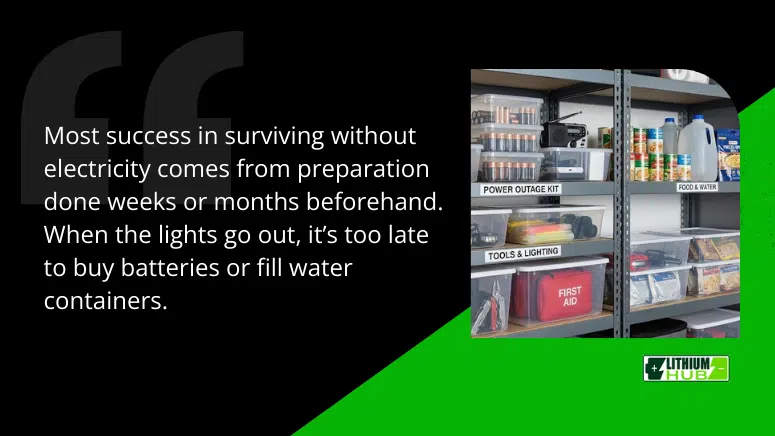
Start simple: create a dedicated storage area, like a closet, basement shelf, or garage corner, for blackout supplies. Label it clearly so anyone in the house can find it. Then review it every 6-12 months to replace expired items and test devices.
Home Preparedness Checklist
- Flashlights with extra batteries (at least one per person)
- Battery-powered lanterns for common areas
- Stored water (1 gallon per person per day for 7 days minimum)
- Nonperishable food supply for 7 days (canned goods, dried fruit, granola bars, peanut butter)
- Manual can opener
- First aid kit with personal medications
- Extra blankets and sleeping bags
- Battery-powered or hand-cranked radio
- Cooler and ice packs for food storage during longer outages
- Matches or lighters in waterproof containers
- Cash in small bills (ATMs and card readers fail without power)
- Portable phone power banks, fully charged
- Portable power station (if you want quiet, indoor safe backup power)
- Solar panel for your power station, if it’s compatible
- Portable generator (if you need higher output for essentials)
- Carbon monoxide alarms with fresh batteries
- Heavy-duty extension cords rated for the load you plan to run
Written Emergency Plan
Create a document that answers:
- Who to call in an emergency (emergency contacts list with phone numbers written down, not just saved in phones)
- Where to meet if the family is separated
- How to shut off main water, gas, and electric breakers safely
- Which items to grab if evacuation becomes necessary
- Location of important documents, medications, and irreplaceable items
You can also make your home more comfortable during power loss with a few energy-efficiency upgrades that pay off year-round: better insulation, weatherstripping around doors and windows, thermal curtains that block heat transfer, and shade trees on the sunny side of your home.
Staying Mentally Resilient and Keeping Routines
Extended outages create stress beyond physical discomfort. The disruption to normal life, uncertainty about restoration, and constant low-level problem-solving wear people down. Maintaining structure helps families cope.
Keep a simple daily routine even without electricity. Wake at consistent times. Eat meals together. Assign light chores. Go to bed when it gets dark. That rhythm keeps the day from feeling like one long blur.
Low Tech Entertainment and Activities
- Printed books, magazines, and newspapers
- Board games and card decks (teach children games they’ve never played)
- Paper puzzles: crosswords, sudoku, word searches
- Simple crafts: drawing, knitting, whittling
- Storytelling and conversation, with no screens
If you’ve got kids, involve them in practical tasks like organizing supplies, helping with simple water routines, or checking on neighbors with you. What feels like a crisis to adults can become an adventure for kids when framed as a learning opportunity.
And when it comes to news, pick specific check-in times. Morning and evening updates via a hand-crank radio are plenty. Constant monitoring usually increases anxiety without improving your situation. Stay informed, but don’t marinate in uncertainty.
Pulling It All Together
By now, you’ve got the main pieces of surviving without electricity, and they all build on each other. The first hour is about safety and preventing avoidable problems. After that, you focus on what keeps your home livable: staying warm or cool, protecting your water situation and sanitation, and keeping food safe with smart fridge and freezer habits. From there, it’s about staying informed, keeping basic lighting going, and stretching your phone and battery life so you’re not cut off from updates.
If you can do those things, most outages become manageable. But there’s still one big pressure point in any blackout: keeping the essentials powered without burning through a limited supply.
That’s why solar-powered backup matters, and why we created Ionic portable power stations. They give you a safer, quieter way to keep devices running and recharge with solar when the outage lasts longer than expected.
Why Modern Backup Power (Like Ionic Portable Power Stations) Matters
This guide shows you how to get through a power outage even when you’ve got little or no electricity to work with. But if you want blackouts to feel less stressful and a lot more manageable, having backup power you can recharge with solar makes a huge difference.
Ionic portable power stations are solar-compatible. You can charge one up before a storm, then recharge it again with solar panels if the outage lasts longer than expected. Instead of burning through a one-time reserve, you can keep topping it off as long as you’ve got daylight.
What You Can Power With an Ionic Portable Power Station
Depending on the model and the load, Ionic portable power stations can run:
- Phones and tablets for communication
- LED lights and lanterns for safe lighting
- Wi-Fi routers (when your internet service is still up)
- Laptops for work and school
- CPAP machines and small medical devices overnight
- Fans for cooling and air movement
- Refrigerators for longer outages (runtime depends on capacity and usage)
Why Solar-Powered Backup Is So Useful
- You can recharge during the day and use power at night
- You’re not dependent on gas stations or fuel
- It’s safe indoors, with no fumes and no carbon monoxide risk
- It’s quiet and simple, so anyone in the house can use it
If you mainly need communication, lighting, and medical devices, a smaller unit can be plenty. If you want to include bigger loads like a refrigerator, you’ll want a higher capacity model. Learn more about How to Choose the Best Power Station for Your Refrigerator here.
Old-school skills keep you steady in any outage. Solar-powered backup gives you comfort and options while you wait it out!
If keeping the fridge cold is your biggest stressor, Ionic has models built specifically for refrigeration, with a nearly instant switchover when the grid goes down. You can see those portable power stations and more here.