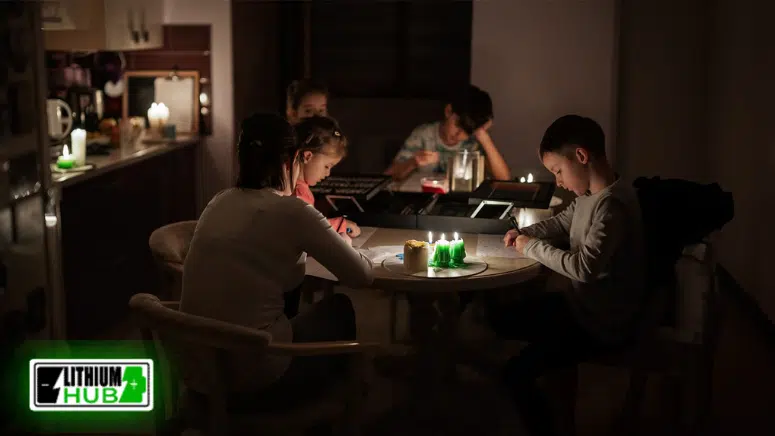

From hurricanes and wildfires to unexpected blackouts and supply chain issues, emergencies can happen anywhere, and often with little warning. But being prepared for emergencies isn’t about fear or panic. It’s about peace of mind.
Whether you’re bracing for a winter storm, building an off-grid setup, or just want to make sure your family is covered during the next outage, having the right supplies in place makes a huge difference. This checklist covers the essentials—from food and water to security and backup power—so you can prep with confidence and fill in the rest based on your situation.
You’ll also find tips on how to rotate supplies, build a bug-out bag, and use solar power effectively with gear like our long-lasting deep cycle lithium batteries. No matter where you live or what you’re preparing for, this guide can help you stay prepared and more in control.
Protection and Security
Emergencies can leave communities stretched thin. Whether you’re sheltering at home during a storm or riding out a multi-day outage, having some basic security measures in place can help you feel more in control.
You don’t need to go to extremes to boost your safety. Simple, practical tools—like a utility knife or pepper spray—can serve both defensive and everyday purposes. Adding motion-sensor lights or reinforcing doors can be quick upgrades that make your home more secure.
For many, preparedness also means creating a sense of awareness and prevention—knowing your surroundings, being able to spot potential risks, and taking steps to reduce them. Even something as simple as a barking dog or noise-making alarm can serve as an early alert system and contribute to your safety.

Security Supplies:
- Multitool or utility knife
- Bear spray or pepper spray
- Door reinforcement bars
- Security cameras and motion lights
- Perimeter alarms or noisemakers
- Dog for alerting and deterrence
- A lock box or safe for valuables
Optional: Some people include licensed firearms in their plans, but only with proper training and secure storage.
Water Supply and Filtration
Water is non-negotiable. You can survive three weeks without food—but only three days without water. That’s why every emergency kit and prepper plan starts with clean drinking water.
Aim for at least one gallon per person per day for a minimum of three days, but ideally two weeks or more. Store your water in food-grade containers, and keep them in a cool, dark location.
Also, plan for backup. What if your supply runs out? You’ll need a way to purify water from lakes, rivers, or tap sources that may be compromised. Gravity filters, portable water filters, and purification tablets are compact and effective.
Water Supplies:
- 1 gallon of water per person per day
- Food-grade water storage containers
- Water purification tablets or bleach
- Portable water filter (e.g., LifeStraw or Sawyer Mini)
- Large gravity-fed water filter (for home use)
- Collapsible water containers
- A rainwater catchment system or barrels
*Tip: Rotate stored water every 6 months and label containers with the storage date.
Food Storage Essentials
A good food stockpile isn’t just about calories—it’s about variety, nutrition, and simplicity. You want non-perishable food that stores well, cooks fast (or requires no cooking at all), and keeps your body fueled. Consider preserving your food, such as home-canned vegetables or dehydrated fruits, to enhance your food storage options.
Start with bulk staples like rice, beans, pasta, oats, and wheat. These form the backbone of long-term food storage and are inexpensive to buy in large quantities. Add canned meats, soups, veggies, and fruits to round out nutrition. Freeze-dried meals and MREs (Meals Ready to Eat) are great for shelf life and convenience.
Don’t forget about cooking methods. In an emergency, you may not have access to your regular kitchen appliances. Keep spare propane tanks for gas grills or camp stoves, and consider a portable rocket stove or solar oven as an alternative cooking option. These tools ensure you can prepare meals even when traditional power sources are unavailable.
Use the FIFO rule: First In, First Out. That means eating the oldest food first and rotating your stock regularly.

Food Supplies:
- Rice, oats, pasta, beans, and wheat
- Canned meats (chicken, tuna, SPAM)
- Canned vegetables, fruits, and soups
- Freeze-dried meals or MREs
- Powdered or evaporated milk
- Peanut butter or other kinds of nut butter
- Cooking oil, salt, and spices
- Multivitamins or supplements
- Manual can opener
- Spare propane tanks and portable cooking equipment
*Storage tip: Store food in a cool, dry, dark place. For dry goods like rice or beans, use Mylar bags with oxygen absorbers to keep them fresh longer.
Medical Supplies and First Aid
A well-stocked first aid kit goes far beyond a few Band-Aids. Think in terms of minor injury care, infection prevention, and symptom relief when professional medical help isn’t available.
In addition to wound care items, include over-the-counter medications, prescription meds (if you can get extras), and tools like scissors, tweezers, and emergency blankets.
Medical Supplies:
- Bandages, gauze, and medical tape
- Antiseptic wipes and antibiotic ointment
- Ibuprofen, acetaminophen, and antihistamines
- Tweezers, scissors, and gloves
- Digital thermometer
- Emergency space blanket
- First aid manual or reference guide
- Extra prescription meds if available
Tip: Take a basic first aid or CPR course through your local Red Cross or health department.
Hygiene and Sanitation
When plumbing stops working, hygiene becomes a challenge, but it’s crucial to maintain it. Poor sanitation can quickly lead to illness and infections. You’ll want effective ways to stay clean even when water is scarce.
Hygiene Supplies:
- Soap and shampoo
- Hand sanitizer and disinfecting wipes
- Toothbrushes and toothpaste
- Toilet paper and feminine hygiene products
- Trash bags and zip ties
- Portable toilet or sanitation bucket
- Baby wipes or moist towelettes
- Nitrile or latex gloves
- Garbage bags for waste disposal
- Solar shower bags for makeshift showers
*Tip: Baby wipes are excellent for staying clean when showers aren’t available, and solar shower bags provide a convenient way to enjoy a warm rinse even in the absence of running water.

Power, Light and Energy Backup
When the power goes out, it’s not just an inconvenience—it can disrupt everything. From keeping food cold and lights on to powering communication devices or medical equipment, having a backup energy plan is critical.
There are two main types of emergency power systems: traditional fuel-powered generators and solar-powered battery setups. Each has its place. Gas or propane generators can deliver high output and power large appliances, but they require fuel, make noise, and must be used outdoors due to exhaust fumes. They’re useful in short-term outages if you have safe fuel storage and ventilation.
Solar power systems, on the other hand, are quieter, safer, and more sustainable, especially in long-term emergencies where fuel might be limited. A solar setup uses panels to capture energy and store it in a battery, which powers your devices through an inverter.
That’s where our Ionic deep cycle LiFePO4 batteries shine. Designed for many uses, including solar and off-grid use, these batteries are long-lasting (3,000–5,000 partial cycles), efficient, and safe. They provide dependable power to run lights, phones, refrigerators, medical devices, and more, without noise or fumes. Unlike gas generators, they require no fuel and virtually no maintenance.
For the best of both worlds, many preppers combine both systems: using a fuel-powered generator for short bursts of high-power needs and a solar-battery setup for daily essentials.
Energy Supplies:
- Ionic deep cycle LiFePO4 battery
- Portable solar panels
- Solar-powered lights or lanterns
- Power inverter and charge controller
- Flashlights and headlamps
- Candles and matches
- Rechargeable batteries
- Solar-powered phone chargers
- Manual crank-powered flashlight/radio
- Optional: gas or propane generator with safe fuel storage
Communication Tools
When cell service goes down, you’ll want alternative ways to stay informed and connected. Emergency radios and two-way radios can help you monitor news, and weather, and connect with others.
Reliable communication can help you avoid danger, coordinate with family members, and receive critical updates from emergency services. Don’t underestimate how important it is to stay in the loop.
Communication Supplies:
- NOAA emergency radio (battery-powered or hand crank)
- Walkie-talkies or two-way radios
- HAM radio (license required)
- Printed contact list
- Signal whistle
- Backup chargers or solar-powered radios
Shelter and Warmth
Shelter is about more than having a roof—it’s about protection from the elements. In cold weather or wet conditions, the right gear can keep you alive.
You may not always be able to rely on your home for shelter. Whether you’re evacuating or staying put without heat, plan to insulate, stay dry, and preserve body heat as much as possible.
Shelter Supplies:
- Sleeping bags (rated for cold temperatures)
- Mylar emergency blankets
- Tarps and cord or rope
- Tent or bivvy sack
- Plastic sheeting and duct tape
- Dust masks (for smoke, dust, or debris)
- Fire extinguisher
- Safe indoor heat source (e.g., propane heater, wood stove)
Tip: Even indoors, sleeping on the floor can cause heat loss—use insulating pads or layers.

Financial Preparedness
When digital payment systems go offline, having cash and copies of your essential documents becomes crucial. Don’t rely solely on credit or mobile wallets during emergencies.
A strong financial plan helps you manage short-term disruption and long-term recovery. Make sure your information is accessible—but stored securely—in case you need to relocate or replace lost items.
Financial Preparedness Supplies:
- Emergency cash (small bills)
- Backup debit/credit cards
- Copies of important documents (IDs, insurance, titles)
- Secure document folder or fireproof safe
- Written list of account numbers and passwords (stored securely)
Bug-Out and Get-Home Bags
In emergencies, having a go bag ready can be a lifesaver. If you need to leave quickly—or if disaster strikes while you’re away—these bags give you the essentials to survive short-term.
In emergencies, having a go bag or bug-out bag ready can make all the difference. A bug-out bag is something you keep at home, packed and ready to grab if you need to evacuate quickly. A go bag usually stays in your car or workplace in case a disaster strikes while you’re away. Both give you what you need to stay mobile and survive in the short term.
Bug-Out Bag Supplies:
- 3-day food and water supply
- Flashlight and batteries
- Compact first aid kit
- Knife or multitool
- Change of clothes and rain gear
- Portable phone charger or solar bank
- Emergency whistle and local maps
- Copies of personal documents, including birth certificates, passports, and insurance policies
- Water filters or purification tablets
*Tip: Keep your go bag lightweight and focused on getting home safely, not long-term survival.
Go Bag (Get-Home Bag) Supplies:
Keep this bag in your car or workplace in case you need to get home during an emergency, with items like these:
- Sturdy walking shoes or boots
- Weather-appropriate clothing (jacket, gloves, hat)
- Flashlight or headlamp
- Water bottle and snacks (non-perishable)
- Small first aid kit
- Phone charger or power bank
- Emergency cash (small bills)
- Local map and compass
- Dust mask and basic hygiene items
- Personal medications
*Tip: Customize each family member’s bag based on age, health, and climate.
Community and Planning
Prepping doesn’t have to be solo. Neighbors and local networks can share resources, provide help, and support one another in tough times.
The more prepared your community is, the better everyone’s chances are to thrive. Start small: get to know your neighbors, discuss shared concerns, and build a basic plan together.
Community Planning Ideas:
- Emergency contact list
- Neighborhood emergency plan
- Shared tools or resources
- Local prepper or CERT (Community Emergency Response Team) group
- Skill-building resources (gardening, first aid, HAM radio)

To Wrap It Up
Preparedness isn’t about expecting the worst—it’s about being ready for the unexpected. Whether it’s a multi-day power outage, a hurricane on the coast, or just wanting to feel more self-reliant, having a plan and the right supplies gives you peace of mind when things don’t go as planned.
You don’t have to do everything at once. Start with the basics, focus on what matters most for your home and region, and build over time. Check your supplies regularly, rotate food and water, and update your plan as life changes.
When it comes to powering your essentials, a dependable energy source isn’t optional—it’s critical. That’s where our deep cycle LiFePO4 batteries come in. They offer:
- Reliable performance when the grid goes down
- Fast, efficient charging to get you back up and running quickly
- Built-in safety features for extra peace of mind
- Zero maintenance—no upkeep or babysitting required
- Versatile use for solar setups, RVs, boats, backup systems, and more
Whether you’re powering lights, fridges, communication gear, or medical devices, our Ionic LiFeP04 lithium batteries help you stay in control, no matter what the day brings.
Stay ready. Stay resilient. Stay powered.