

Deep-cycle batteries are built to work hard, but they still need to be charged the right way. Use the wrong charger, let them sit too low, or charge them poorly, and you can lose power, shorten battery life, or wear out a battery sooner than you should.
Whether you’re powering an RV, boat, trolling motor, solar setup, or backup power system, a few better charging habits can make a big difference. Below, we’ll walk through tips on how to charge deep-cycle batteries, what to check when they won’t charge, and the simple things that help you get more life out of every battery.
Start With the Right Charger for Your Battery Type
Before you charge a deep-cycle battery, make sure you’re using the right battery charger for the battery type you have.
Lead-acid, AGM, gel, and lithium deep-cycle batteries all charge a little differently. A charger that works well for one type may not be the right choice for another. For example, lead-acid and AGM batteries usually do best with a smart multi-stage charger that uses Bulk, Absorption, and Float phases, while lithium batteries need a charger made for lithium chemistry.
It’s a simple step, but it can save you a lot of trouble. The right charger helps your battery charge safely and keeps it working the way it should.
Know the Basic Charging Stages
Many deep-cycle battery chargers use charging stages. You don’t need to memorize every detail, but it helps to know what’s happening, especially if you’re using a lead-acid, AGM, or gel battery. Multi-stage chargers help optimize battery performance by using separate phases that reduce the risk of overheating and overcharging.
Bulk charging is the first stage. This is when the charger sends more power into the battery to bring it back up quickly. For many batteries, this gets the battery to around 80% charged. The right charging rate should match the battery’s size, often based on amp hours or the battery’s capacity.
Absorption charging comes next. At this point, the charger slows down and finishes the charge more carefully. This last stretch matters because rushing it can be hard on the battery, especially with lead-acid, AGM, and gel batteries. A lower current over a longer period helps limit heat and avoid battery damage.
Float charging is the maintenance stage. Once the battery is full, the charger keeps it at a safe level so it can stay charged without being overcharged. This is especially helpful for lead-acid batteries that sit for long stretches between uses.
Lithium deep-cycle batteries usually don’t need that same float stage. With the right lithium charger, the charger brings the battery up properly and then backs off once it’s full. That’s part of what makes lithium easier to work with: you still need the right charger, but the charging process is usually cleaner and simpler.
The big takeaway is simple: different batteries charge in different ways, so the charger needs to match the battery. That’s what helps keep charging safe and helps the battery last longer.

With built-in Bluetooth, an Ionic lithium battery lets you check charge level, voltage, and status right from your phone, so you always know when it’s time to recharge.
Charging Tips by Battery Type
Not all deep-cycle batteries need the same care. A flooded lead-acid battery, AGM battery, gel battery, and lithium battery may all be “deep cycle,” but they don’t all charge the same way.
Flooded Lead-Acid Batteries
Flooded deep-cycle batteries are the most common type, easier to find, and usually cost less upfront, but they need the most hands-on care.
Before charging, check the water levels and make sure the liquid electrolyte covers the battery plates. Don’t overfill it, keep the battery upright, and always follow the battery manufacturer’s instructions as part of regular maintenance.
You’ll also want to charge flooded batteries in a well-ventilated area. These batteries can release hydrogen gas while charging, so airflow matters. Keep sparks, flames, and smoking materials away from the battery while it charges.
Wear gloves and safety glasses during charging to help protect against acid splashes and other hazards.
A smart charger with a flooded lead-acid setting is usually the safest choice. It helps charge the battery in stages instead of hitting it too hard, too fast.
AGM Batteries
Absorbed glass mat batteries are sealed and maintenance-free, so you don’t have to add water as you do with flooded batteries. That makes them easier to take care of, but they still need the right charger.
Use a charger with an AGM setting so the battery gets the proper voltage and charging pattern. AGM batteries can generally handle deeper discharge than flooded batteries, but overcharging, undercharging, and running them too low too often can still shorten their life.
If you’re charging in very hot or cold weather, pay extra attention to the ambient temperature where the battery is sitting. Charging voltage may need to change with conditions, since batteries often need a bit more in cold weather and extra caution in heat to help prevent overheating. We covered this in our previous article: How Long Do AGM Batteries Last? Before You Buy, Read This.
Gel Batteries
Gel batteries are sealed too, and they use a gel-like electrolyte, but they can be more sensitive than AGM batteries.
If you use the wrong charger or charge them too aggressively, you can damage the battery. They are especially sensitive to overcharging and usually need a slower rate than AGM batteries, though they can handle extreme temperatures well. That’s why it’s best to use a charger with a gel setting, not just a general lead-acid setting.
Gel batteries usually need a slower, more careful charge, so this is one place where the charger setting really matters.
Lithium Deep-Cycle Batteries
Lithium deep-cycle batteries are different from flooded, AGM, and gel batteries. They don’t need watering, they don’t need special maintenance charges, and you can usually use more of their power before recharging.
But they still need the right charger. For LiFePO4 batteries, use a lithium-compatible charger. A good lithium charger works with the battery’s built-in battery management system, or BMS, to help protect against overcharging, overheating, draining the battery too far, and other issues.
Lithium batteries also tend to charge faster than lead-acid batteries, which is one reason they’re so popular for people who depend on steady power day after day. They can also work well with solar when paired with the right solar charge controller.
The main thing is to make sure your charger, battery, and overall setup are meant to work together. Did you enjoy this post? You’ll probably like this one too: How to Charge a Boat Battery: A Beginner-Friendly Guide
Charging Deep-Cycle Batteries With Solar
Solar can be a great way to keep deep-cycle batteries charged, especially if you spend time off-grid or want backup power you can keep using when the sun is out. But solar still needs the right setup.
Don’t connect solar panels straight to the battery. Use a solar charge controller to manage the power going into the battery.
The charge controller should also be set for your battery type. Flooded lead-acid, AGM, gel, and lithium batteries all have different charging needs, so the settings matter. Some portable chargers and solar charging equipment also include voltage settings matched to the battery type, and some advanced units use pulse charging to help limit sulfation. This helps prevent overcharging, undercharging, and unnecessary wear.
Solar charging also depends on real-life conditions. Panel size, sunlight, shade, weather, battery capacity, and daily power use all affect how fast your battery charges. A good solar setup can keep your system ready, but it needs to be sized for your battery bank and the power you actually use.

A matched Ionic lithium charger keeps your battery topped off and ready, so you get dependable, long-lasting power every time you head out.
Charge Before the Battery Gets Too Low
Deep-cycle batteries are made to handle regular draining and recharging, but that doesn’t mean you should run them completely dead. Keeping an eye on the battery’s charge level can help protect performance and extend battery life.
For lead-acid batteries, including flooded, AGM, and gel batteries, it’s usually best to recharge before the battery drops too low. A common rule of thumb is to recharge before it gets down to around 50%. These batteries are much less forgiving when they’re drained too far too often, and letting them sit low can lead to buildup inside the battery that makes it harder to charge and hold energy over time.
Lithium deep-cycle batteries give you a lot more room to work with. You can usually use much more of the battery’s capacity before recharging, which means more usable energy between charges and less stress about stopping too early. That’s one of the big reasons LiFePO4 batteries are such a strong upgrade.
That said, lithium batteries still work best when they’re paired with the right charger and used within the battery maker’s guidelines. If you’re using an Ionic lithium battery with Bluetooth, you can also check the charge level from your phone, which makes it much easier to know when it’s time to recharge.
Be Careful With Special Charging Modes
Some flooded lead-acid batteries may need a special maintenance charge from time to time. This kind of charge helps balance the battery cells and clear some of the buildup that can happen inside the battery.
But this isn’t something you should use on every battery.
Never use special maintenance or reconditioning modes on AGM, gel, or lithium batteries unless the battery manufacturer specifically says it’s okay. The wrong charging mode can damage the battery, especially sealed batteries and lithium batteries.
What to Do If Your Deep-Cycle Battery Won’t Charge
If your deep-cycle battery won’t charge, don’t assume it’s dead right away. Sometimes the problem is the charger, the settings, the connections, improper charging, or a battery that has been drained too far.
Start with the simple stuff. Make sure the charger is plugged in, turned on, and set to the right battery type. Then check the battery terminals and cables. Loose, dirty, or corroded connections can keep the battery from charging properly.
If the battery is extremely low, some chargers may not recognize it. This can happen with lead-acid batteries that have been left discharged too long. It can also happen with lithium batteries if the BMS shuts the battery down to protect it.
In that case, follow the battery manufacturer’s instructions for waking or recovering the battery.
If everything looks right and the battery still won’t charge, it may need to be tested. A battery that won’t hold voltage, drops quickly under load, or keeps failing after a full charge may be worn out or damaged. Repeated overcharging can also cause overheating and internal damage, not just leave you with a worn-out battery.
Why Many People Choose Ionic Lithium Batteries
If you want easier charging, less maintenance, and a longer lifespan, Ionic LiFePO4 batteries are a strong upgrade.
Compared to flooded, AGM, and gel batteries, Ionic lithium batteries can help you:
- Charge faster: Ionic lithium batteries charge up to 5 times faster than lead-acid batteries.
- Cut down on maintenance: No watering or regular upkeep like flooded batteries need.
- Reduce weight: Ionic lithium batteries can weigh up to 50% less than traditional lead-acid batteries.
- Get longer battery life: LiFePO4 batteries are built for more battery charging cycles than traditional deep-cycle batteries.
- Protect the battery: Each battery includes a built-in battery management system, or BMS, to help protect against overcharging, overheating, draining the battery too far, and short circuits.
- Check battery status from your phone: Built-in Bluetooth lets you check charge level, voltage, and battery status without guessing.
- Use it with solar: Ionic lithium batteries can work well with solar when paired with the right charge controller.
That combination can make your whole setup easier to manage. You get faster charging, less maintenance, easier battery checks, and more dependable power when you need it.
If you’re replacing an older deep-cycle battery, switching to Ionic lithium can help you cut down on hassle, reduce weight, and make regular charging simpler day to day.
Final Thoughts on Charging Deep-Cycle Batteries
Charging a deep-cycle battery the right way isn’t complicated, but it does matter if you want to get the most life from the battery. Use the right charger, fully charge it when needed, don’t let the battery sit too low for too long, and make sure your equipment is designed to work together.
But at the end of the day, the battery itself makes the biggest difference.If you’re tired of slow charging, heavy batteries, constant upkeep, or wondering how much charge you have left, upgrading to Ionic lithium is one of the easiest ways to make your setup more reliable, easier to manage, and ready when you need it!
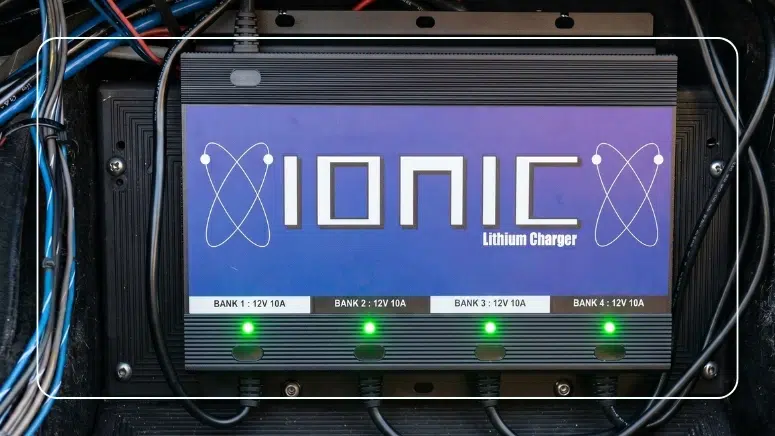
Upgrade to Easier Charging with Ionic Lithium
Faster, safer, smarter charging built for lithium. Ionic chargers deliver the right profile every time, so your boat, RV, golf cart, or solar batteries stay topped off, protected, and ready when you are.